Long Memory Travel Home

Category

Travel Strategy

24 articles

The Itinerary as Ideology: How Booking in Advance Rewrote the American Relationship with the Unknown

The Itinerary as Ideology: How Booking in Advance Rewrote the American Relationship with the Unknown

The American traveler who books six months in advance, confirms every reservation twice, and arrives at the destination with a color-coded schedule did not invent this behavior. But the infrastructure that made it mandatory is historically recent, and its psychological consequences are still unfolding. What we surrendered when we traded wandering for optimization was not merely spontaneity—it was a particular conception of who we are allowed to become on the road.

The Original Review Economy: How Spoken Reputation Has Always Governed Where Travelers Eat, Sleep, and Survive

The Original Review Economy: How Spoken Reputation Has Always Governed Where Travelers Eat, Sleep, and Survive

The algorithm that steers modern travelers toward certain restaurants and away from others is new technology running ancient software. For five thousand years, spoken reputation has built and destroyed roadside businesses with a speed and finality that Yelp merely accelerates. Understanding the mechanics of that older system is the most practical travel education available.

The Traveler Who Stays Abroad: How Physical Distance Has Always Licensed Americans to Become Someone Else

The Traveler Who Stays Abroad: How Physical Distance Has Always Licensed Americans to Become Someone Else

For at least two centuries, Americans traveling overseas have carried an informal alternate self — more candid, more experimental, less obligated to the performance of home — and the historical record suggests this is neither hypocrisy nor escapism but a structural feature of how human identity responds to physical distance. Understanding the psychology behind this phenomenon helps explain not only how Americans behave abroad, but why the journey home has always functioned as a closing ceremony

The Receipt for a Better Self: What Museum Gift Shop Purchases Actually Confess

The Receipt for a Better Self: What Museum Gift Shop Purchases Actually Confess

Every year, Americans spend hundreds of millions of dollars in museum gift shops — buying objects immediately after spending hours contemplating objects they cannot own. The transaction is worth examining seriously, because what changes hands in those final minutes before the exit is rarely art. It is evidence. The tote bag, the art print, the scholarly catalog carried home unread: each is a receipt for the person the visitor briefly, genuinely believed themselves to be inside the building.

The Coin Left on the Counter: How America Turned an Ancient Social Ritual Into a National Pathology

The Coin Left on the Counter: How America Turned an Ancient Social Ritual Into a National Pathology

Tipping looks like a financial transaction but functions as something far older — a ritual of social negotiation between strangers that predates the American republic by several millennia. The United States did not invent gratuity culture; it imported it, amplified it, and then became so structurally dependent on it that the system is now nearly impossible to dismantle. What our collective inability to quit tipping reveals about American attitudes toward service, class, and the performance of ge

The Trophy Instinct: How Conquerors and Vacationers Shop the Same Way

The Trophy Instinct: How Conquerors and Vacationers Shop the Same Way

Roman legionnaires stripped Greek temples. Napoleonic officers catalogued Egyptian monuments before shipping them west. American GIs packed German sidearms into their duffel bags. The pattern is so consistent across millennia that it demands a more serious explanation than simple greed — and that explanation turns out to illuminate something uncomfortable about the most ordinary vacation shopping trip.

Standing Where It Happened: The Ancient Human Need to Visit Places of Catastrophe

Standing Where It Happened: The Ancient Human Need to Visit Places of Catastrophe

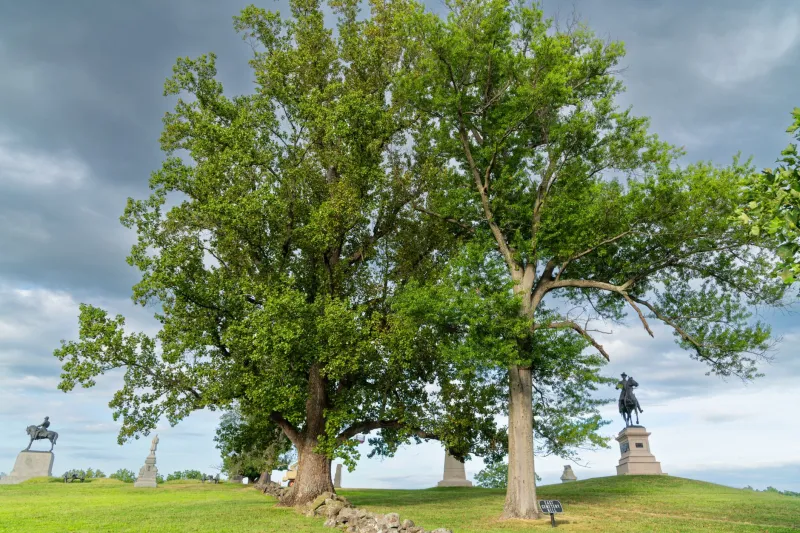
The impulse to visit sites of suffering — battlefields, disaster zones, ruins of annihilated cities — is neither morbid nor modern. It is among the oldest documented forms of human travel, and the psychology driving it has remained consistent across five thousand years of recorded history. Understanding what we are actually doing when we stand at these places changes how honestly we can do it.

Democracy by Firelight: How America's Campfire Became Its Traveling Courtroom

Democracy by Firelight: How America's Campfire Became Its Traveling Courtroom

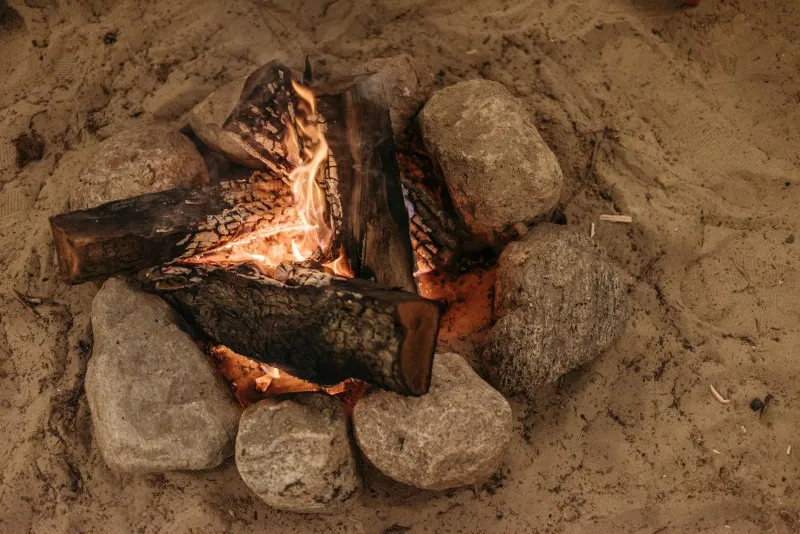
For two centuries, Americans crossing the continent created temporary societies around evening campfires, establishing unwritten laws that governed everything from resource sharing to conflict resolution. These nightly negotiations established patterns of frontier democracy that modern campers unconsciously reenact every time they pull into a campground.

Friction Is the Feature: What Stoics, Pilgrims, and Frontier Travelers Understood About Why Difficulty Makes a Journey Worth Keeping

Friction Is the Feature: What Stoics, Pilgrims, and Frontier Travelers Understood About Why Difficulty Makes a Journey Worth Keeping

Modern travel has been engineered to eliminate every form of inconvenience, and in doing so it has quietly removed the very elements that make a journey memorable. Stoic philosophers, medieval pilgrims, and the overland travelers of the nineteenth-century American frontier all grasped a principle the hospitality industry would prefer you forget: hardship is not an obstacle to meaningful travel but its oldest and most reliable engine. The worst trip you ever took may also be the most important on

The American Elsewhere: Two Hundred Years of Fleeing Home and Finding Yourself in the Same Place

The American Elsewhere: Two Hundred Years of Fleeing Home and Finding Yourself in the Same Place

Washington Irving left for Europe in 1815 and did not return for seventeen years. Ernest Hemingway left for Paris in 1921 and never fully came back. The digital nomad currently filing invoices from a Lisbon café believes she has discovered something new. She has not. The American compulsion to flee toward a more 'real' elsewhere is not a modern symptom — it is a structural feature of the national psychology, and understanding its two-hundred-year history is the only honest way to evaluate whether your own departure is an escape or an evasion.

What Ibn Battuta Actually Packed: The Lost Art of Carrying Only What the Road Demands

What Ibn Battuta Actually Packed: The Lost Art of Carrying Only What the Road Demands

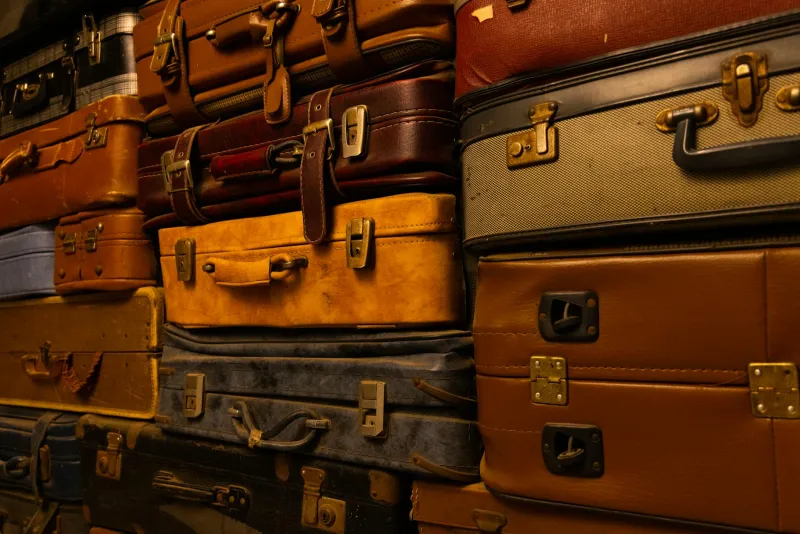
Modern Americans board long-haul flights with luggage that would have bewildered the most experienced travelers in human history — not because we have more needs, but because we have lost the generational knowledge that once told us exactly what those needs were. The merchant records, diplomatic dispatches, and personal accounts of Silk Road travelers offer a more rigorous packing philosophy than any influencer checklist, and it translates directly into practical guidance for anyone preparing a trip today.

The Sacred Road You're Already On: Understanding the American Drive as Ritual Journey

The Sacred Road You're Already On: Understanding the American Drive as Ritual Journey

Medieval pilgrims endured blisters, bad weather, and the company of strangers to reach Canterbury or Compostela, and they came back changed — or at least reported that they did. Americans pack minivans and drive to Yellowstone under conditions that are, psychologically speaking, nearly identical. Recognizing the structural similarity is not merely an intellectual exercise; it is a framework that makes the journey more coherent and, evidence suggests, more satisfying.